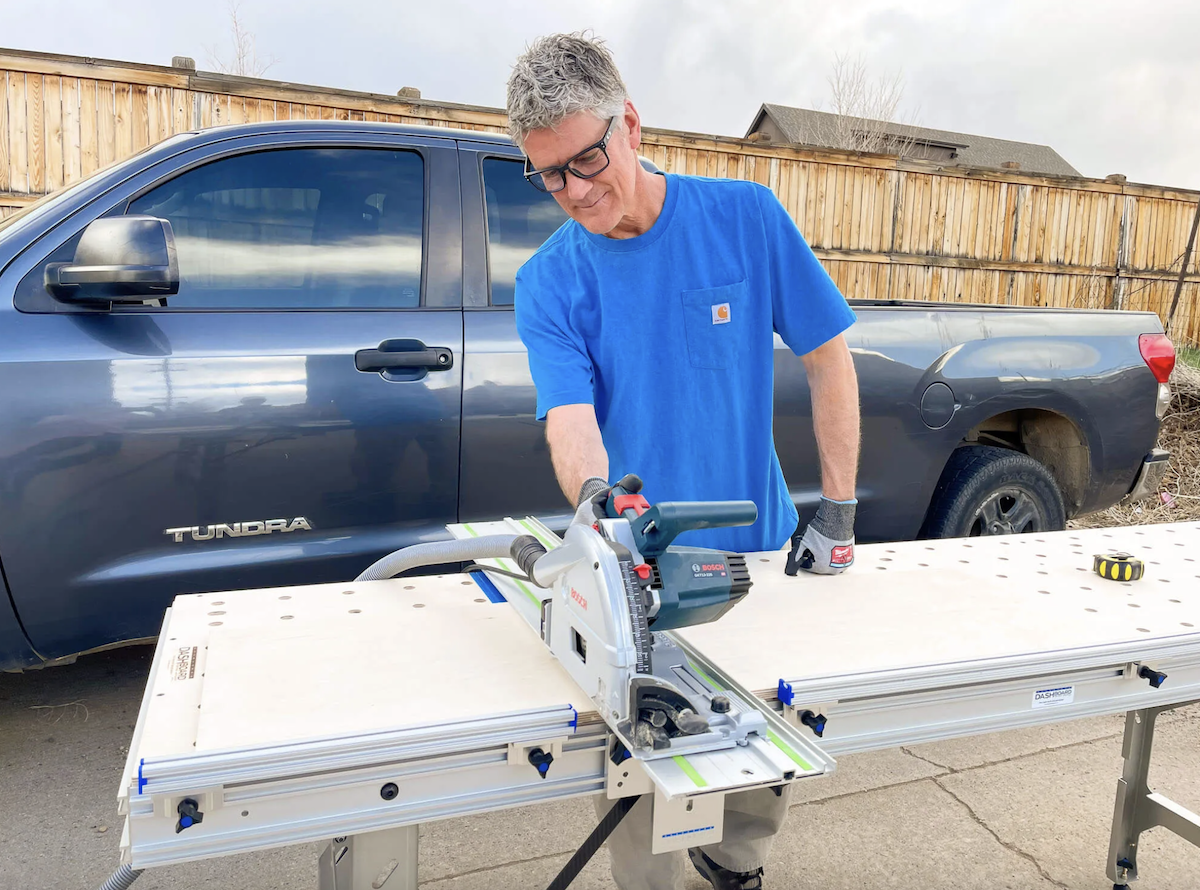
A well-maintained workbench ensures accurate cuts, smooth operations, and years of reliable service.
Here's your straightforward guide to keeping your woodworking bench in prime condition.
Essential Daily Maintenance
- Brush off sawdust and debris after each use
- Wipe down the work surface with a clean cloth
- Clear any debris from dog holes and T-tracks
- Check for any loose components and tighten as needed
Critical Monthly Tasks
- Deep clean all tracks and channels using:
- Compressed air for loose debris
- Soft brush for stubborn particles
- Clean cloth dampened with mineral spirits for sticky residue
- Check and maintain moving parts:
- Verify all knobs move freely
- Ensure clamps operate smoothly
- Test leg adjusters for proper function
- Surface maintenance:
- Inspect for dents or damage
- Check for flatness
- Clean with appropriate wood cleaner
- Apply paste wax if needed (avoid silicone-based products)
Problem Prevention & Solutions
Common Issues and Fixes
- Unstable Surface: Check and adjust leg levelers
- Sticky Movement: Clean tracks with mineral spirits
- Misaligned Cuts: Verify guide rail bracket squareness
- Loose Components: Tighten all hardware
- Worn Surface: Sand lightly and refinish if needed
When to Take Action
Address these issues immediately:
- Wobbling or instability
- Binding in sliding parts
- Visible damage to work surface
- Difficulty in securing workpieces
- Inconsistent measurements
Quick Care Tips
- Keep tools off the surface when not in use
- Use appropriate cleaners (avoid water-based products)
- Address spills immediately
- Store in a climate-controlled environment when possible
- Replace worn parts promptly
Maintenance Don'ts
- Don't use water to clean wooden surfaces
- Don't leave heavy items on the bench long-term
- Don't ignore loose components
- Don't use excessive force when tightening hardware
- Don't skip regular cleaning and inspection
Recommended Tools for Maintenance
- Soft bristle brush
- Clean cloths
- Mineral spirits
- Paste wax
- Basic hand tools
- Compressed air
When to Seek Professional Help
Consider professional servicing if you experience:
- Structural issues
- Severe surface damage
- Persistent alignment problems
- Major component failure
- Need for extensive repairs
Your workbench is an investment in your craft. These simple maintenance steps will keep it performing at its best for years to come. For serious issues or complete restorations, consult with a professional woodworking equipment specialist.
Frequently Asked Questions About Workbench Maintenance
How often should I wax my workbench surface?
Apply paste wax every 3-4 months under normal use. If your bench sees heavy daily use or you work with particularly sticky materials, you may need to wax monthly. Always use a non-silicone paste wax to avoid potential finishing problems with your woodworking projects.
What's the best way to clean dog holes without damaging them?
Use compressed air first to remove loose debris. For stubborn buildup, use a 20mm dowel wrapped with fine-grit sandpaper to gently clean the holes. Never use water or cleaning solutions that could cause swelling or damage. A dedicated hole-cleaning brush can also be helpful for regular maintenance.
My workbench is no longer level - how can I fix this?
First, check that your floor is level where the bench sits. Then inspect and adjust the leg levelers if your bench has them. If the bench top itself has warped, you may need to flatten it using a hand plane or consider replacing the top. For structural issues, consult with a professional.
How do I prevent rust on metal components like T-tracks and hardware?
Keep your workshop's relative humidity below 60% using a dehumidifier if necessary. Regularly clean metal components with a dry cloth and apply a light coat of machine oil or paste wax. For T-tracks specifically, a dry PTFE lubricant can provide good protection without attracting dust.