Your Cart
Product Title
$0
$0
-
+
Your cart is empty.
Add Discount Code?
Add Cart Note?


Embark on a fulfilling journey in DIY woodworking by creating your own Multi-Function Table (MFT). This comprehensive guide is designed to help you build a customizable and versatile workspace, enhancing your woodworking experience.

An MFT table, inspired by Festool's innovative system, is a multifaceted workstation ideal for tasks like cutting, sanding, and routing. Its design emphasizes flexibility and precision, making it a cornerstone in any woodworking shop.
The cornerstone of your project is the DIYMFT kit from Dash-Board PWS. This kit provides the basic structure for your MFT table. Complementing this is their range of Extrusions, available in various lengths (24", 36", 48"), featuring a unique double-track profile. These extrusions, with mounting holes every 6 inches, offer unparalleled customization, allowing you to design a table that perfectly fits your workspace and needs.
When designing your table, factor in the size of your workspace and the types of projects you'll undertake. Select materials that are not only durable but also adaptable for various woodworking tasks. Incorporate Dash-Board PWS's extrusions for added flexibility and functionality, ensuring your table meets your specific requirements.
Assembling your MFT table is a straightforward process with Dash-Board PWS's DIYMFT kit. Once assembled, utilize the extrusions to customize your table. This customization can range from adjusting the table size to adding modules for specific tools, making your MFT table a truly personalized workspace.
Constructing a DIY MFT table offers not just a functional workspace but also a sense of achievement. The adaptability and customization of the table enhance your woodworking efficiency and creativity.
For a more in-depth look at the DIYMFT kit, extrusions, and other DIY woodworking solutions, visit Dash-Board PWS at DIY Section, DIYMFT Product Page, and Extrusion Product Page.
Your dream woodworking workspace is within reach!
An MFT (Multi-Function Table) is a versatile woodworking station inspired by Festool's system. It's designed for tasks like cutting, sanding, and routing, offering precision and adaptability. Building one allows for a customizable workspace tailored to your specific needs.
The key components include Dash-Board PWS's DIYMFT kit and their Extrusions. The DIYMFT kit provides the basic structure, while the Extrusions, with their unique double-track profile, offer customization options.
Consider the size of your workspace and the types of tasks you'll perform. Choose durable materials and plan the layout for functionality. Incorporate Dash-Board PWS's extrusions for added flexibility.
Assembling a DIY MFT table is straightforward with Dash-Board PWS’s DIYMFT kit. Detailed instructions are provided, making the process manageable even for beginners.
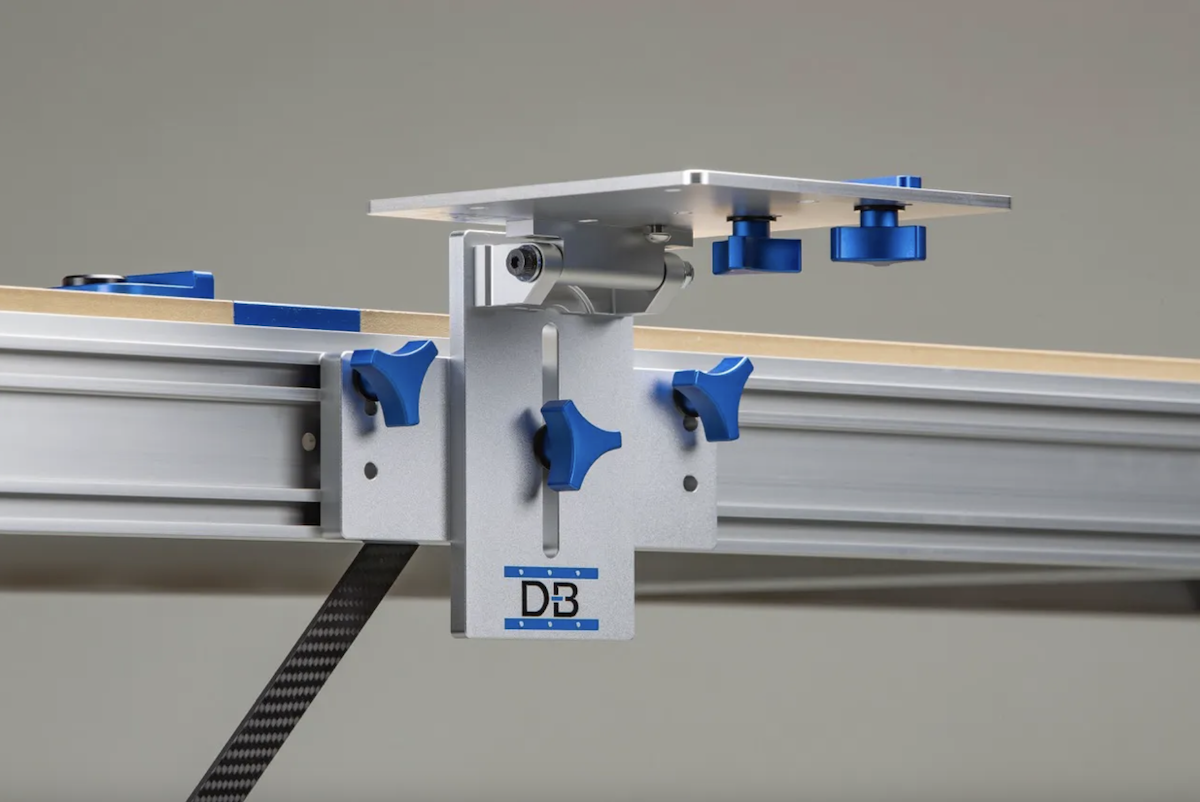
Guide rail brackets hinge your track saw rail to a fixed, repeatable 90-degree position on the bench, so you calibrate square once instead of re-checking it before every cut. Rigid, machined construction with no play is what lets the rail hold that reference through height changes and daily use, turning setup into a one-time task rather than a recurring chore.
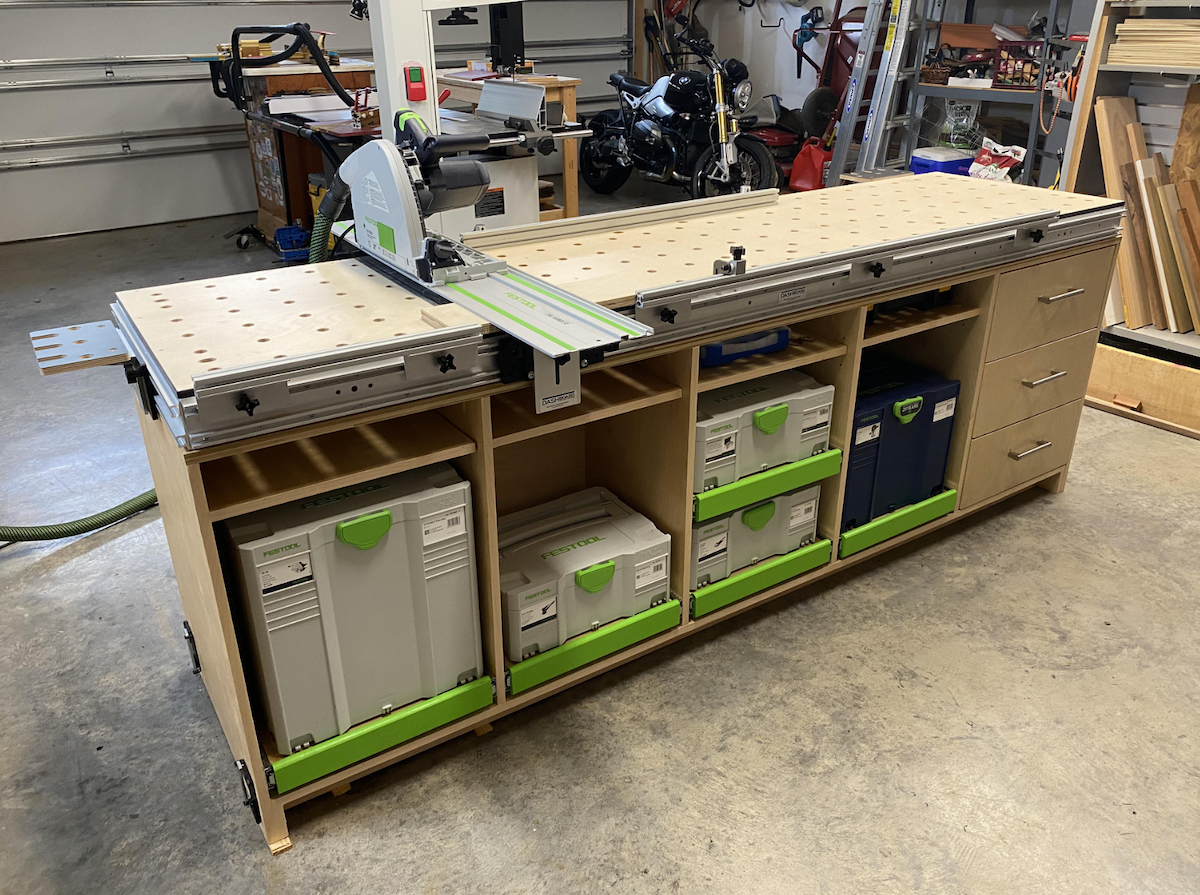
An MFT is a Multi-Function Table built around a perforated 20mm hole grid and guided cutting, letting you crosscut, clamp, sand, rout, and assemble all on one portable surface. It's a strong fit if you do precision crosscuts and sheet goods work, though drift and rigidity issues in some designs are why many owners upgrade to sturdier aftermarket benches and brackets.
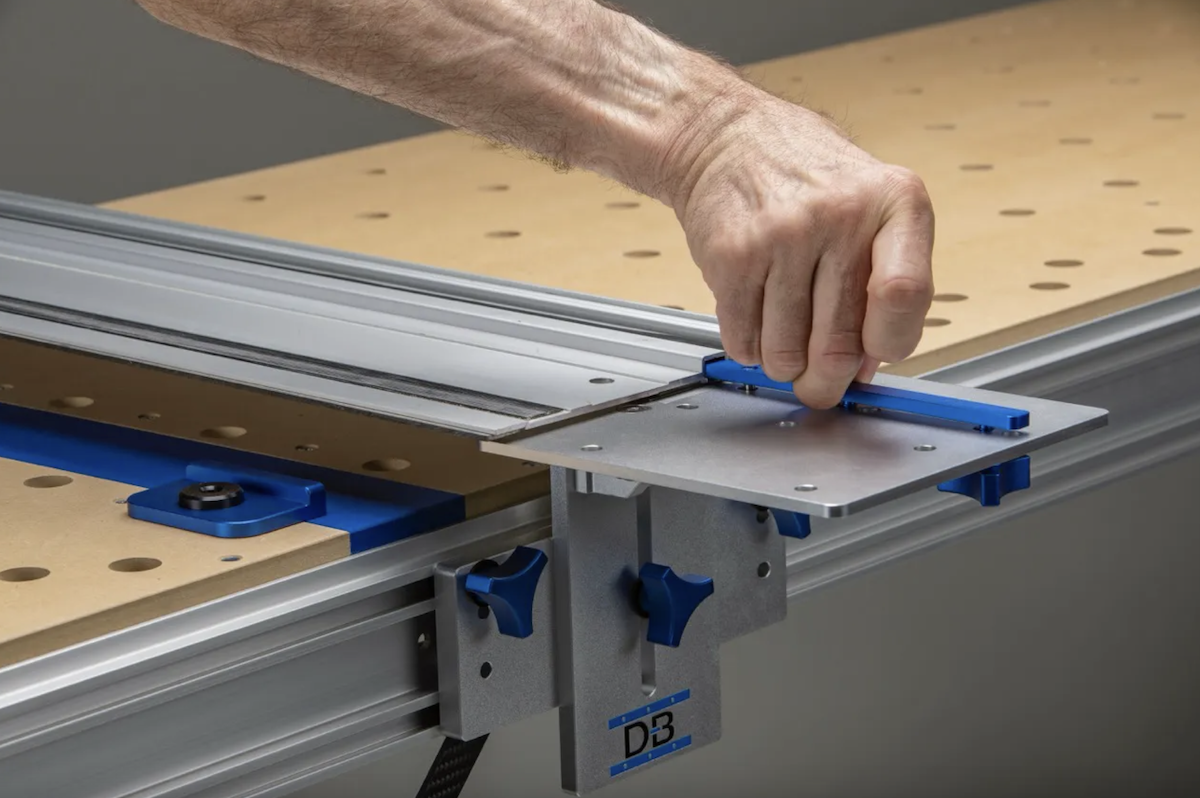
Track saw rail slip almost always comes down to dirty or worn grip strips, dusty or slick surfaces, or not enough downward pressure, and cleaning the strips plus clearing the workpiece solves most cases instantly. For repeatable, no-slip accuracy, clamps work but a fixed bench bracket system locks the rail in place for good.
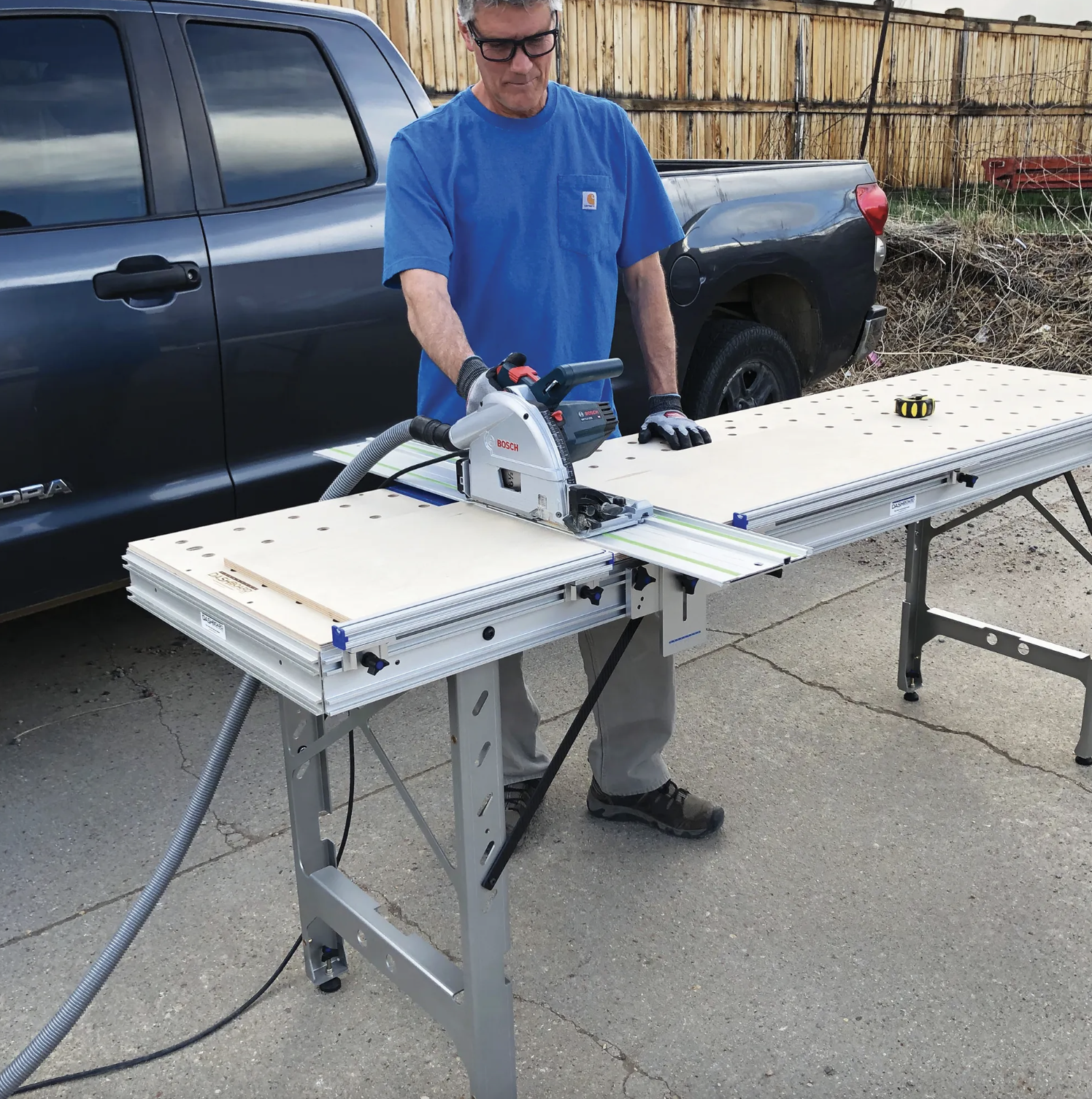
Scribing transfers the wall's true contour onto a cabinet edge so it fits tight against uneven walls and floors, and a portable bench that levels on the spot gives you the stable reference needed to mark and cut that line accurately. Level the piece, scribe to the widest gap, trim with the work fully supported, then test and refine until the fit sits flush.
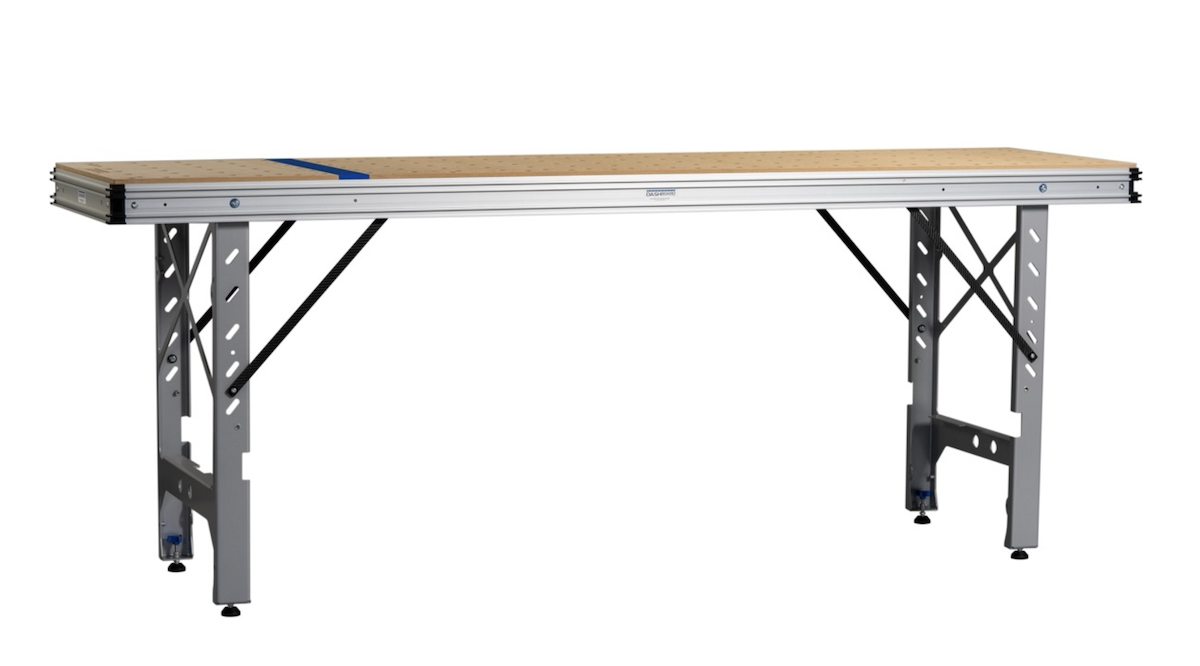
Solid workholding is the whole game with edge banding, and a rigid portable bench with the right clamping accessories lets you present a panel flat or vertical for clean, even application. Lock the panel down, apply the banding steadily, then trim flush once the bond sets for crisp, consistent edges every time.

Straight edge cutting tools like track saws, guide rails, and guide rail brackets give woodworkers a fixed reference so cuts stay true instead of drifting off line. A rigid bench, squared rail, and the right accessories (fences, flip stops, parallel guides) turn one accurate cut into consistent, repeatable results every time.
