Your Cart
Product Title
$0
$0
-
+
Your cart is empty.
Add Discount Code?
Add Cart Note?


Are you in the market for a new saw but can't decide between a track saw and a table saw?
Both tools have their strengths and weaknesses, and the right choice for you will depend on your specific needs and workshop setup.
Let's explore the pros and cons of each saw to help you make an informed decision.
A track saw might be your best bet if you value portability and the ability to make precise, clean cuts on large sheet goods. Track saws are designed to glide along a metal track, ensuring straight, splinter-free cuts every time.
They're perfect for breaking down plywood or MDF sheets, and they're easy to transport to job sites or move around your workshop.
On the other hand, if you need a workhorse that can handle a wide variety of cuts and materials, a table saw is hard to beat. With a table saw you can make rip cuts, cross cuts, miter cuts, and even dado cuts with ease.
They're great for cutting thick hardwoods and can handle large volumes of material quickly and efficiently.
However, they require a dedicated space in your workshop and can be more difficult to move around.
When deciding between a track saw and a table saw, there are a few key factors to keep in mind:
Of course, if you have the space and budget, having both a track saw and a table saw in your workshop can give you the best of both worlds.
Use the track saw for breaking down sheet goods and making precise, portable cuts, and use the table saw for more heavy-duty cuts and joinery work.
Together, these two saws can handle just about any woodworking project you throw at them.

If you're leaning towards a track saw for your workshop, Dash-Board products and accessories can help you get even more out of your investment. The Dash-Board system provides a portable, stable work surface that's perfect for using with a track saw. With Dash-Board, you can:
By combining the portability and precision of a track saw with the versatility and ergonomics of the Dash-Board system, you can create a powerful, efficient setup that rivals the capabilities of a traditional table saw.
At the end of the day, the choice between a track saw and a table saw comes down to your specific needs and preferences. Consider your workshop space, the types of projects you typically work on, and your budget when making your decision.
And remember, whichever saw you choose, always prioritize safety and take the time to learn how to use your new tool properly.
Track saws offer several advantages, including portability, precision, and the ability to make clean, splinter-free cuts on large sheet goods. They're perfect for breaking down plywood or MDF sheets and are easy to transport to job sites or move around your workshop.
Table saws are known for their power and versatility. They can handle a wide variety of cuts, including rip cuts, crosscuts, miter cuts, and dado cuts, and are great for cutting thick hardwoods. Table saws can also handle large volumes of material quickly and efficiently.
When deciding between a track saw and a table saw, consider your workshop space, the types of projects you typically work on, and your budget. If you have a small workshop or need to make precise cuts on sheet goods, a track saw might be the better choice. If you need a versatile saw that can handle a variety of cuts and materials, a table saw is a great option.
While track saws are great for breaking down sheet goods and making long, precise cuts, they may not be the best choice for all woodworking projects. For tasks like joinery work or cutting thick hardwoods, a table saw is often a better option. However, having both a track saw and a table saw in your workshop can give you the most versatility.
Both track saws and table saws can be used safely when proper precautions are taken. However, track saws may be considered slightly safer because the blade is typically enclosed and the saw is guided along a track, reducing the risk of kickback. That being said, it's essential to prioritize safety and follow proper techniques when using any saw in your workshop.
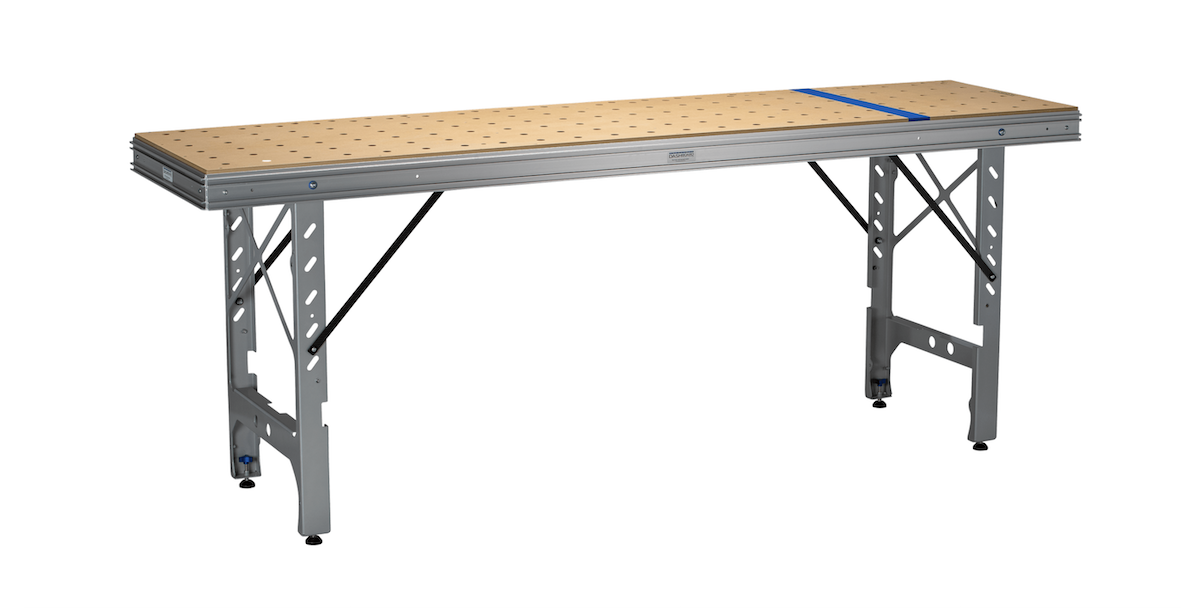
A stock MFT’s weak points (rail brackets that drift, a flexing fence, a small surface, and fussy ripping) can all be fixed without replacing the table. Start with whichever problem costs you the most time, since each upgrade installs separately with no drilling.
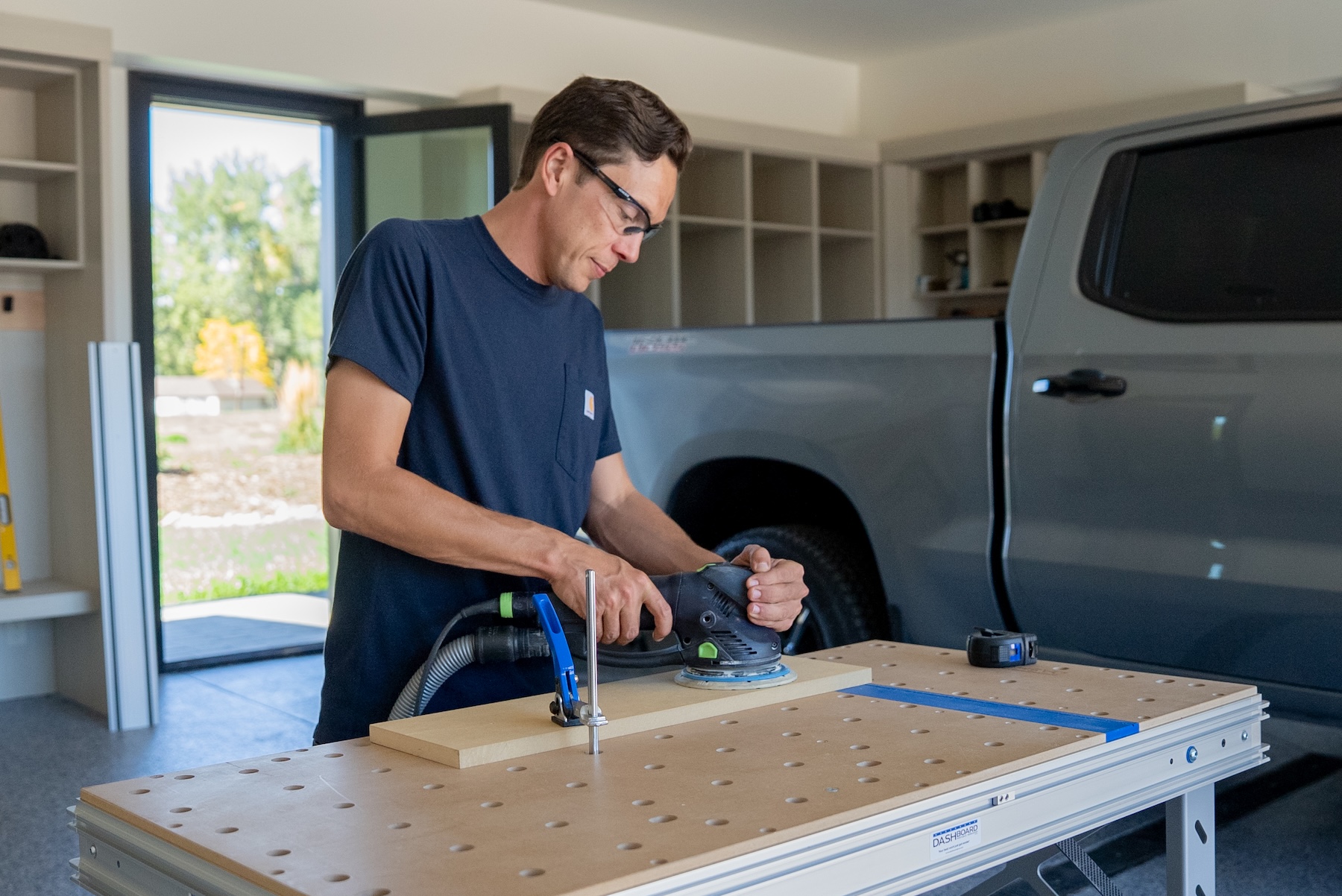
See what FORG3D noticed when Texas Woodworking Festival attendees pushed on the Dash-Board Portable Workshop, and why stability matters in everyday work.
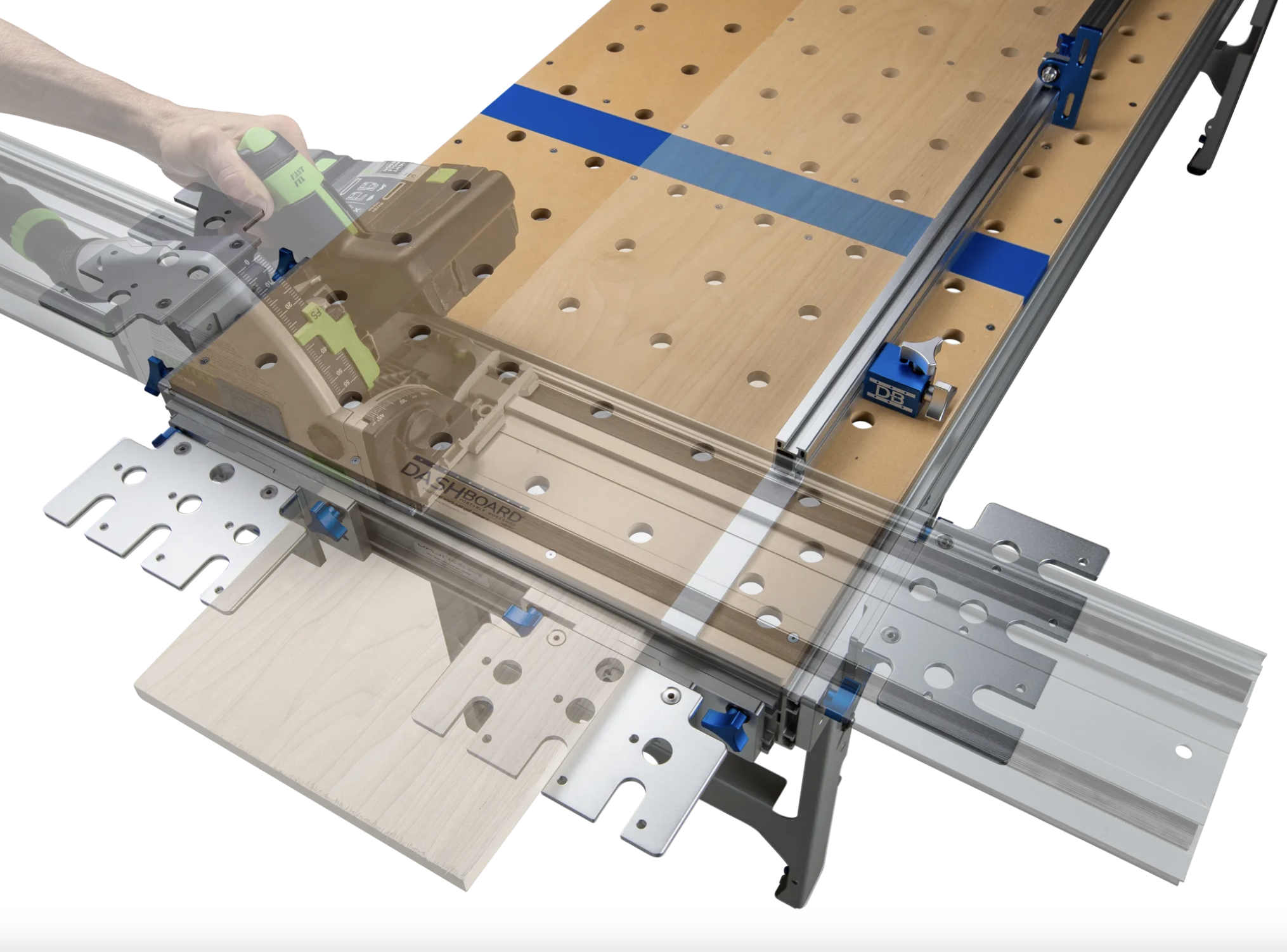
A miter comes from angling the rail or workpiece, while a bevel comes from tilting the saw. Verify your angles in scrap, lock the setup so nothing moves, and every part in the run comes out the same.
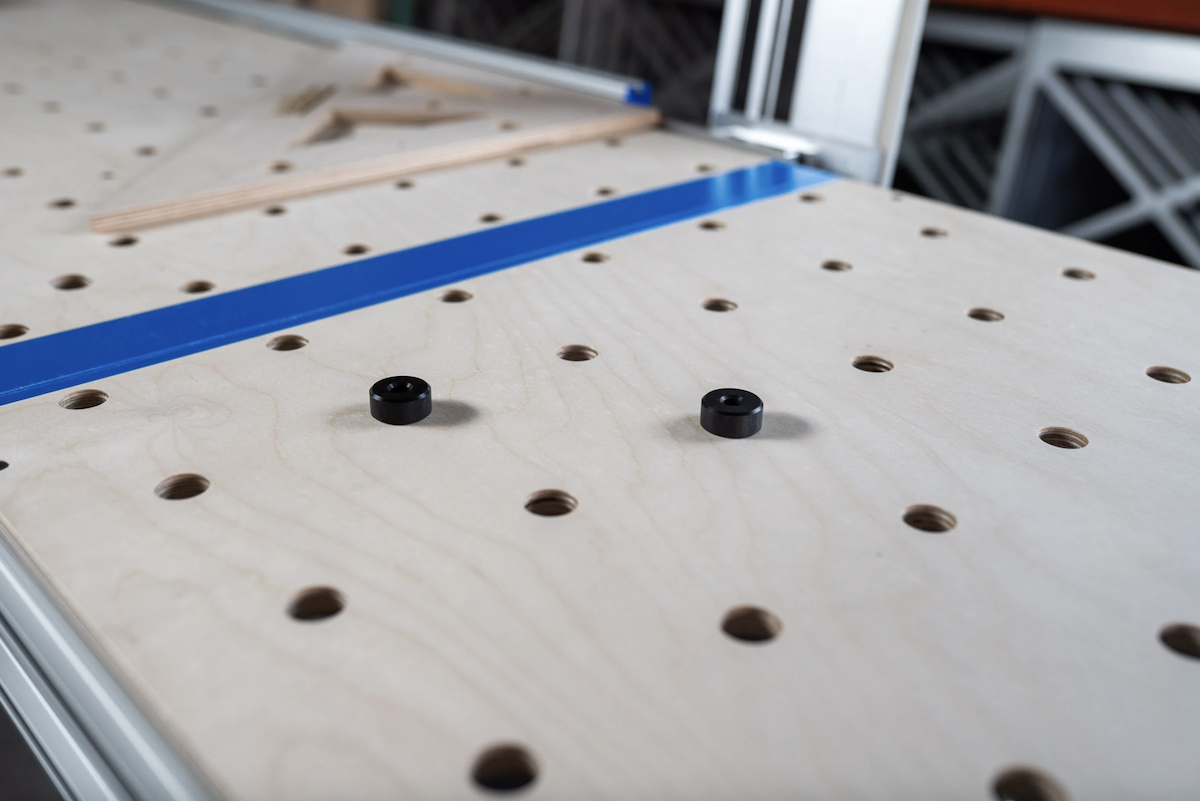
The 96mm grid of 20mm dog holes is the MFT standard Festool set, so any true 20mm/96mm bench shares the same accessories. Since the spacing is fixed, counting holes is more reliable than measuring.
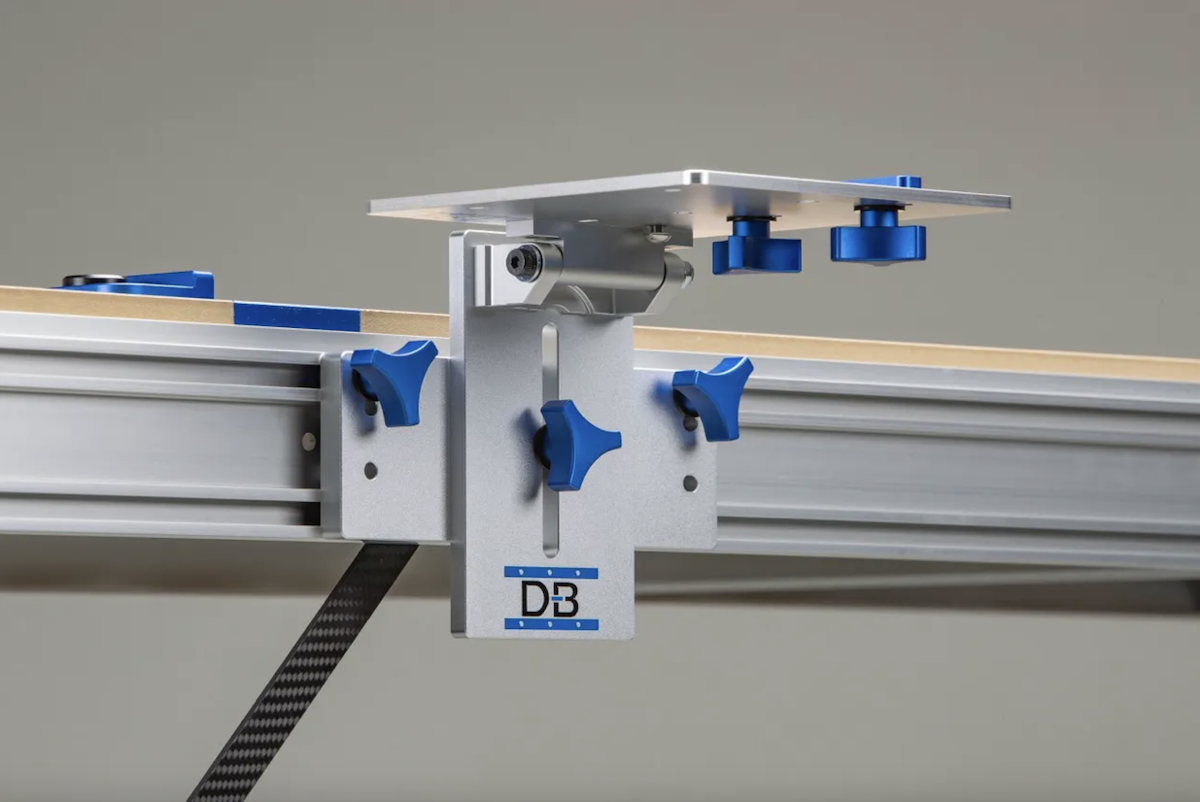
Guide rail brackets hinge your track saw rail to a fixed, repeatable 90-degree position on the bench, so you calibrate square once instead of re-checking it before every cut. Rigid, machined construction with no play is what lets the rail hold that reference through height changes and daily use, turning setup into a one-time task rather than a recurring chore.
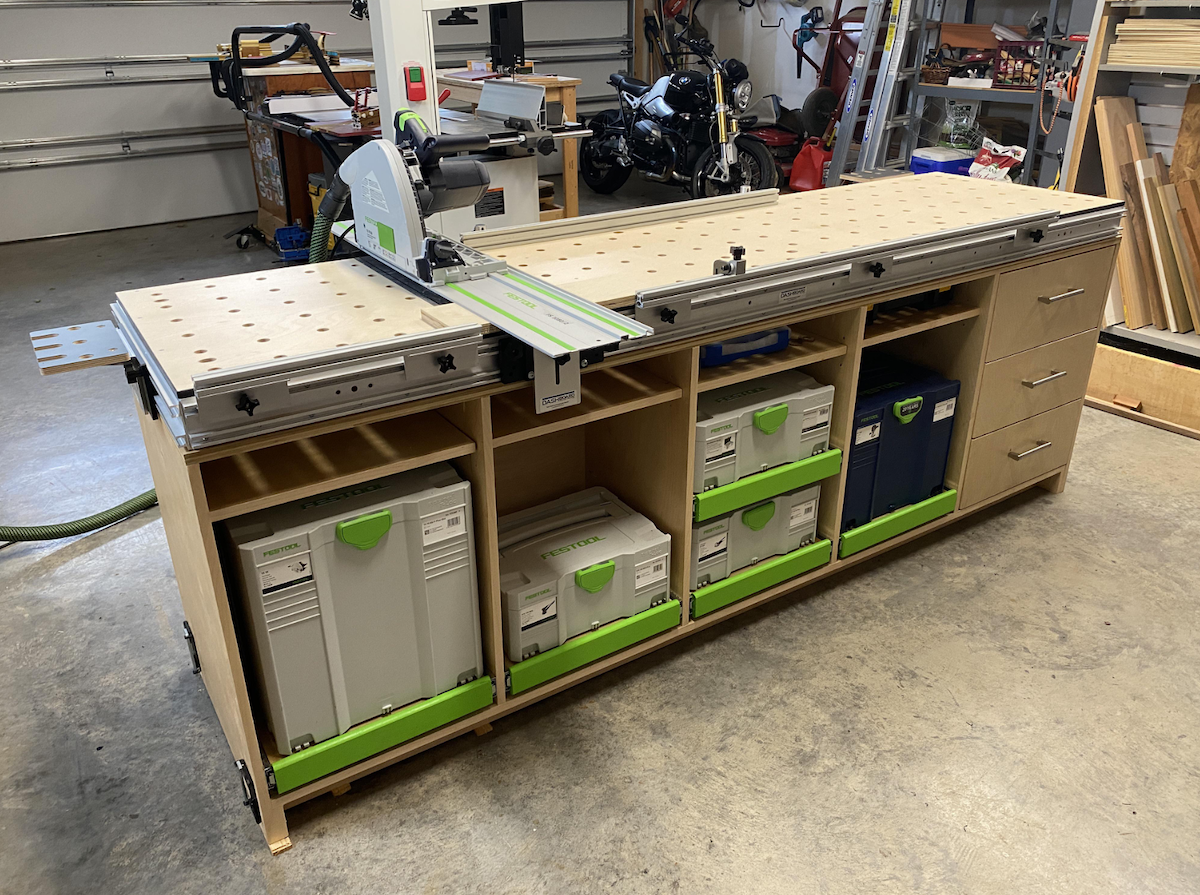
An MFT is a Multi-Function Table built around a perforated 20mm hole grid and guided cutting, letting you crosscut, clamp, sand, rout, and assemble all on one portable surface. It's a strong fit if you do precision crosscuts and sheet goods work, though drift and rigidity issues in some designs are why many owners upgrade to sturdier aftermarket benches and brackets.
