Your Cart
Product Title
$0
$0
-
+
Your cart is empty.
Add Discount Code?
Add Cart Note?


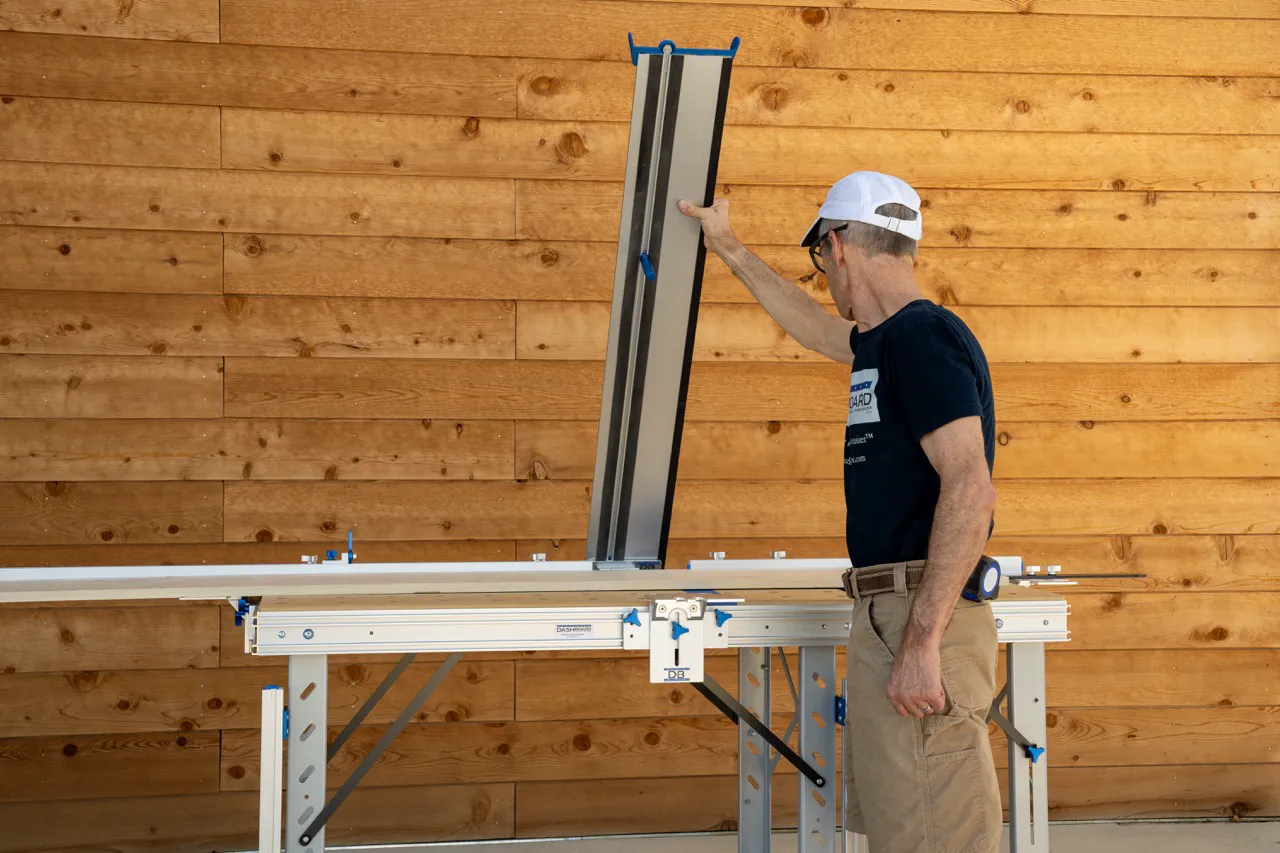
If you're serious about woodworking, your workbench isn't just another tool - it's the command center of your entire operation.
Gone are the days of replacing entire workbench tops due to wear and tear. The latest innovation in professional workbenches is the 2-piece top design with a replaceable cut strip.
As one Colorado craftsman noted, "I can't believe I used to slice up my entire workbench top. Being able to flip and replace just the cut strip has been a massive money-saver."
Professional woodworking often involves handling large materials, but bigger isn't always better. The key is finding the right balance between capacity and practicality.
For example, the Dash-Board system enables:
Real-world impact?
Just ask Jeff R., who recently completed an 8'x16' media center project: "After processing over 25 sheets of plywood, the repeatable cuts were a breeze. Full sheet crosscuts couldn't have been easier, and reduced measuring meant fewer mistakes."
"Time is money" might be a cliché, but it's especially true when every minute spent setting up is a minute not spent working. A professional-grade bench should:
As Ricky M., a professional who downsized from an 18' Striebig vertical panel saw, shares: "The system allowed me to make the same accurate cuts in a smaller area with more versatility due to the horizontal platform."
The foundation of precise woodworking is rock-solid stability. Peter M., a professional woodworker, emphasizes: "While the table is expensive compared to others on the market, the quality of the materials, design, robustness, and adaptability more than offset its cost."
Key stability features should include:
Professional woodworking is physically demanding enough without fighting your workbench.
A properly designed bench should:
Gabriel P. experience is telling: "My shop is very small, and my table saw had to be in the middle to account for infeed and outfeed distance. The new system provided better, cleaner cuts with dead-on repetition and accuracy."
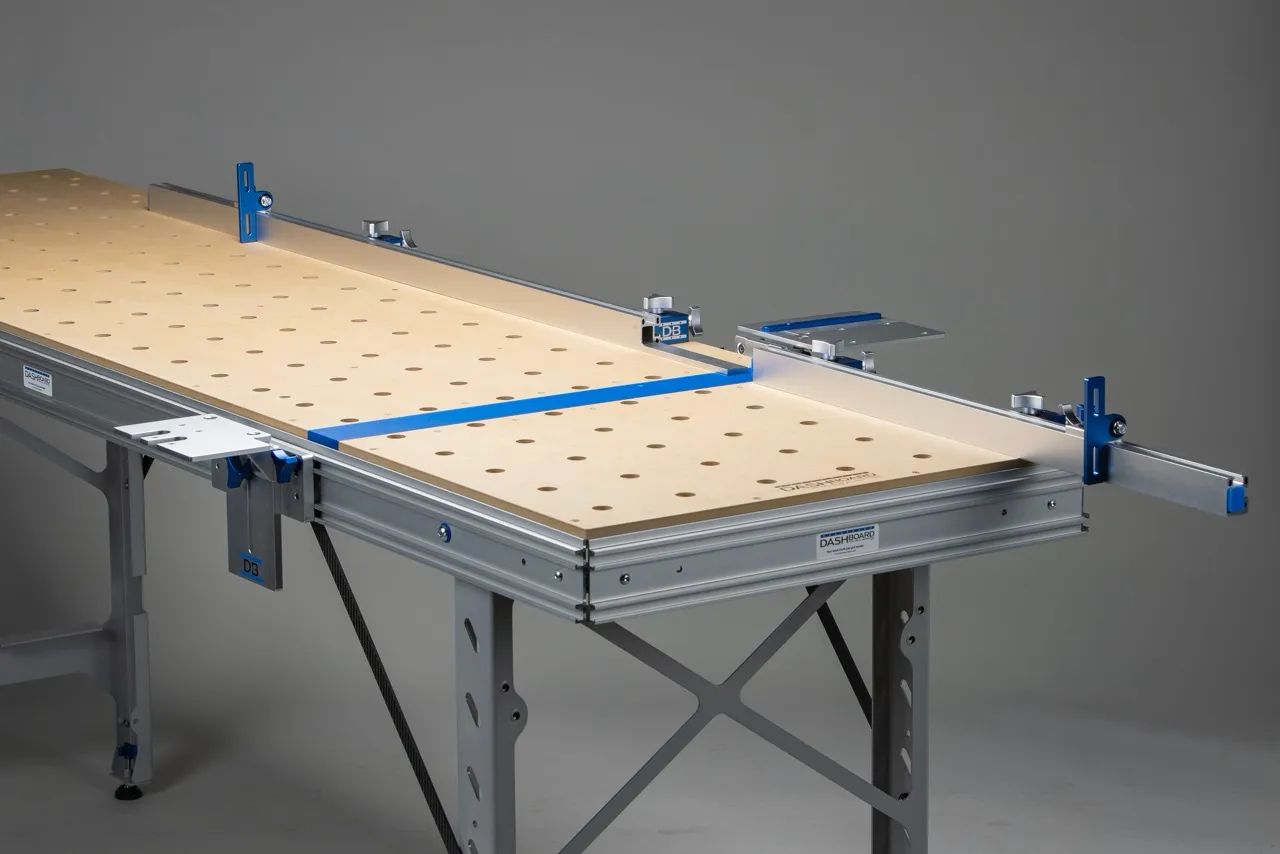
Professional-grade workbenches represent a significant investment, but as David F. notes: "After you see how well it's made and how versatile it is - and how you won't have to fight with getting inferior parts that won't fit together - you'll see that your money is well spent."
Consider these long-term benefits:
When evaluating a professional workbench, consider:
Look for manufacturers offering comprehensive support. As Jeff R. mentions, "One of the most important characteristics of a company is the quality of support for their products. Quick and helpful responses, even on weekends, make a huge difference."
The right professional workbench is more than a purchase - it's a partnership that will impact every project you tackle.
Whether you're a full-time professional or a serious enthusiast, investing in quality pays dividends in precision, efficiency, and enjoyment of your craft.Want to explore professional-grade workbench solutions? Visit dashboardpws.com to discover how their innovative features and proven track record can elevate your woodworking experience.
Professional-grade workbenches typically range from $1,000 to $2,000 for the base unit. The Dash-Board Workbench, for example, is $1,699, while the compact ShortCut version is $1,099. Additional accessories and bundles can enhance functionality but will increase the total investment. As many professionals note, the efficiency gains and material savings quickly offset the initial cost.
Yes, modern engineering has solved this challenge. Today's professional portable workbenches are designed with innovative stability features. For instance, the Dash-Board system has been consistently praised by users like Ralph, who notes "the fit and finish is outstanding and makes it easy to make extremely accurate cuts very easily."
The key is looking for features like rigid leg systems, tool-free terrain adjustment, and solid clamping capabilities.
For professional work, you'll want a bench that can handle both large and small projects efficiently. Look for systems that can manage:
How important is the workbench top material and design?Extremely important. Modern professional benches like the Dash-Board feature innovative 2-piece tops with replaceable cut strips. This design is crucial because:
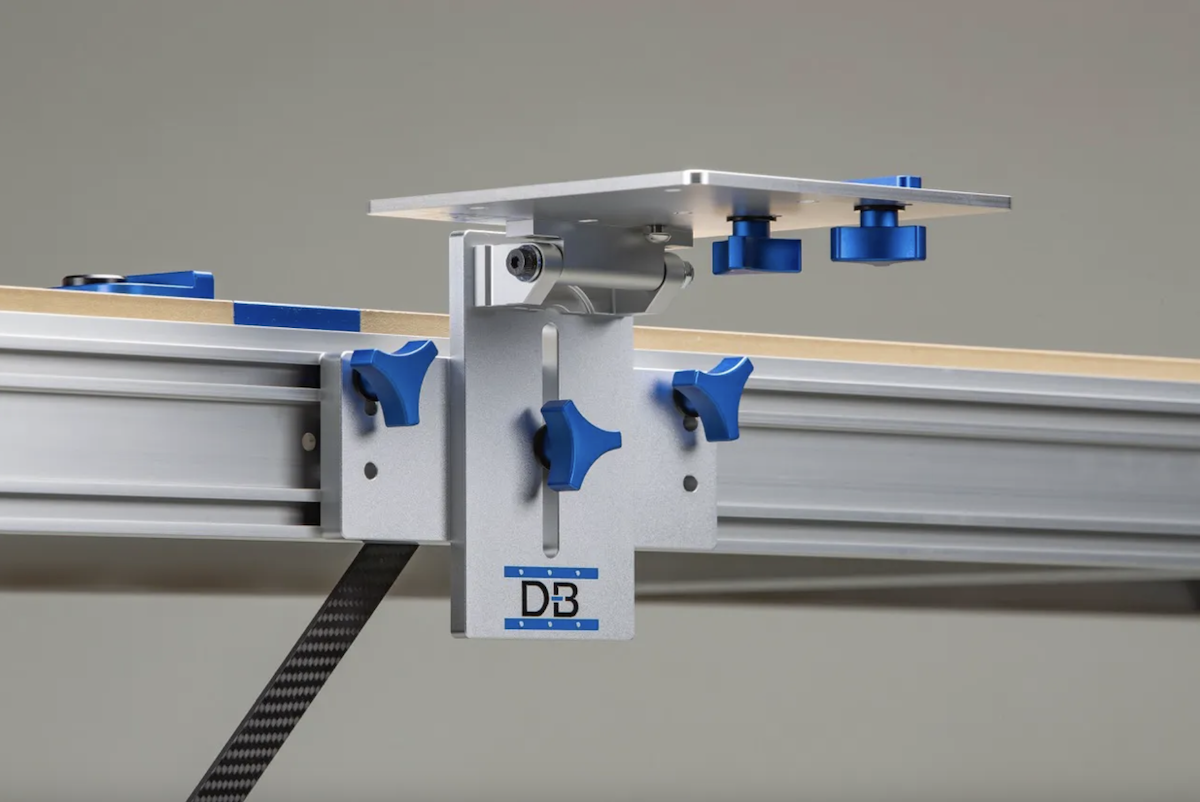
Guide rail brackets hinge your track saw rail to a fixed, repeatable 90-degree position on the bench, so you calibrate square once instead of re-checking it before every cut. Rigid, machined construction with no play is what lets the rail hold that reference through height changes and daily use, turning setup into a one-time task rather than a recurring chore.
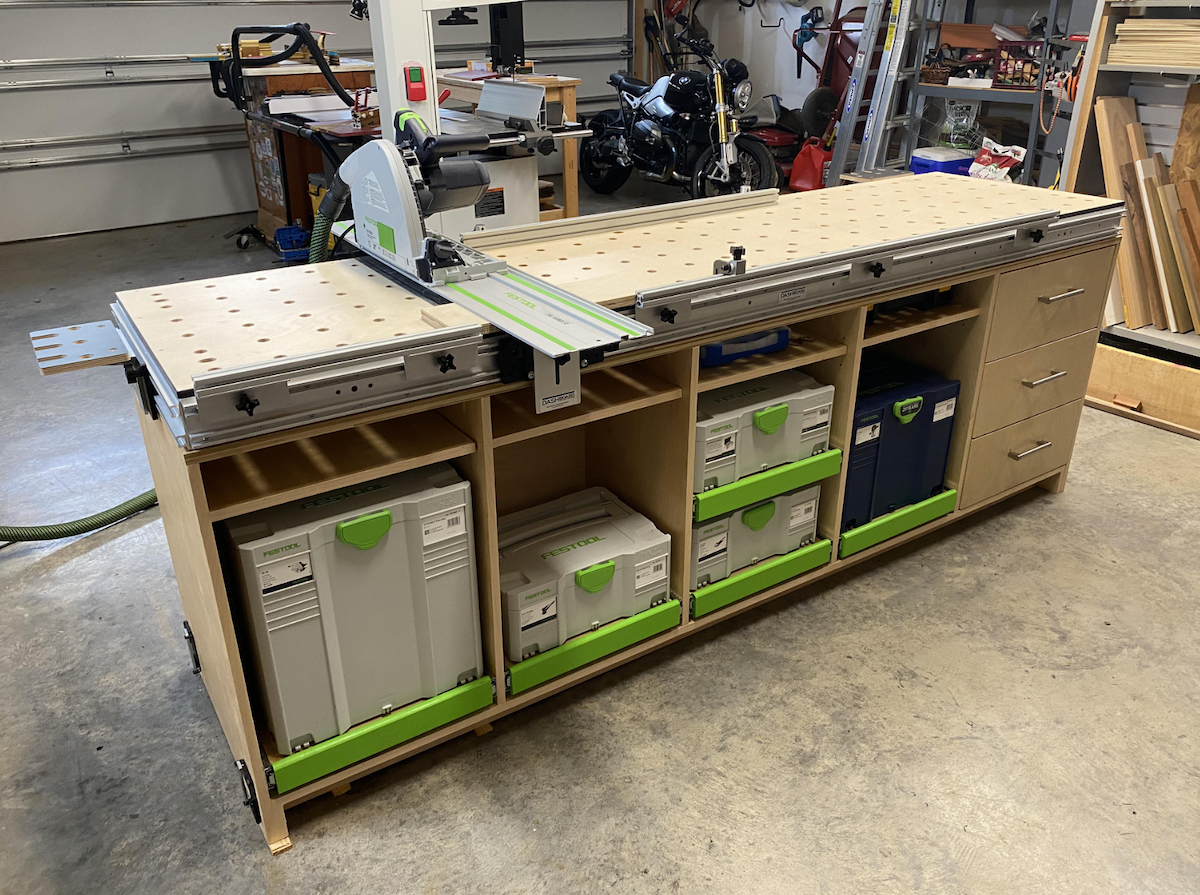
An MFT is a Multi-Function Table built around a perforated 20mm hole grid and guided cutting, letting you crosscut, clamp, sand, rout, and assemble all on one portable surface. It's a strong fit if you do precision crosscuts and sheet goods work, though drift and rigidity issues in some designs are why many owners upgrade to sturdier aftermarket benches and brackets.
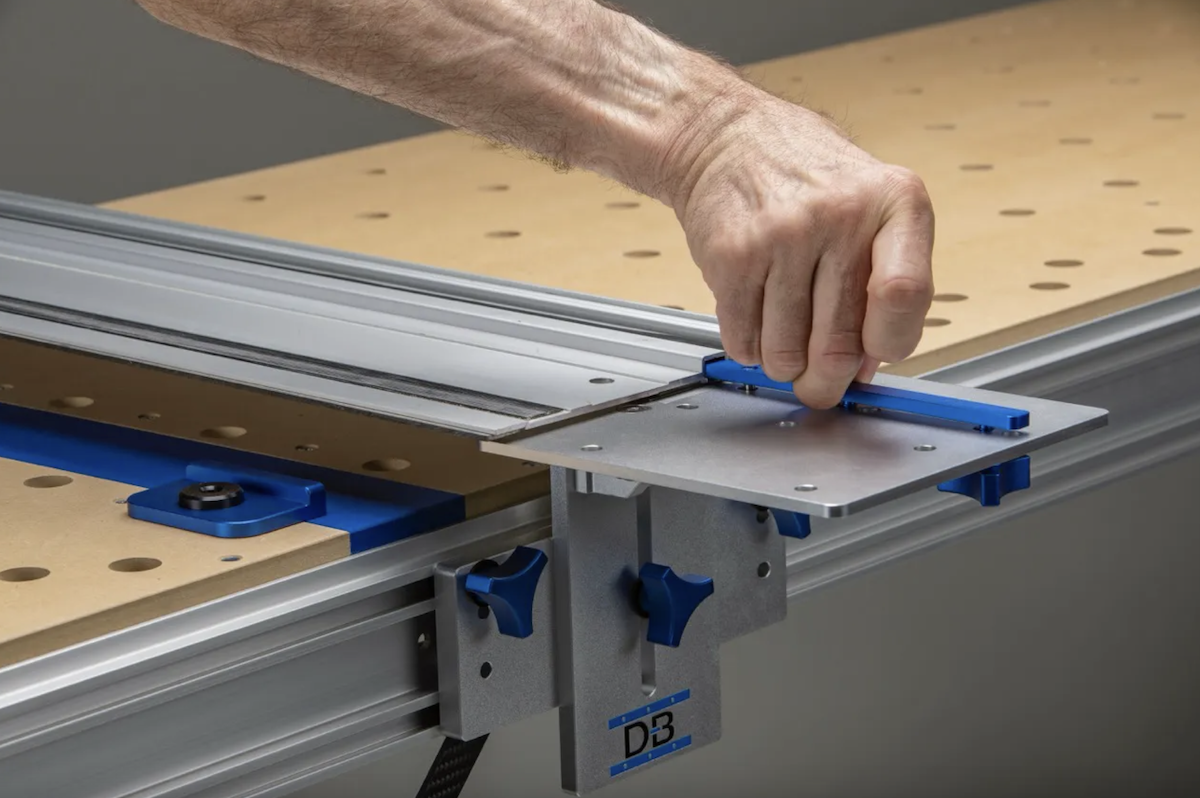
Track saw rail slip almost always comes down to dirty or worn grip strips, dusty or slick surfaces, or not enough downward pressure, and cleaning the strips plus clearing the workpiece solves most cases instantly. For repeatable, no-slip accuracy, clamps work but a fixed bench bracket system locks the rail in place for good.
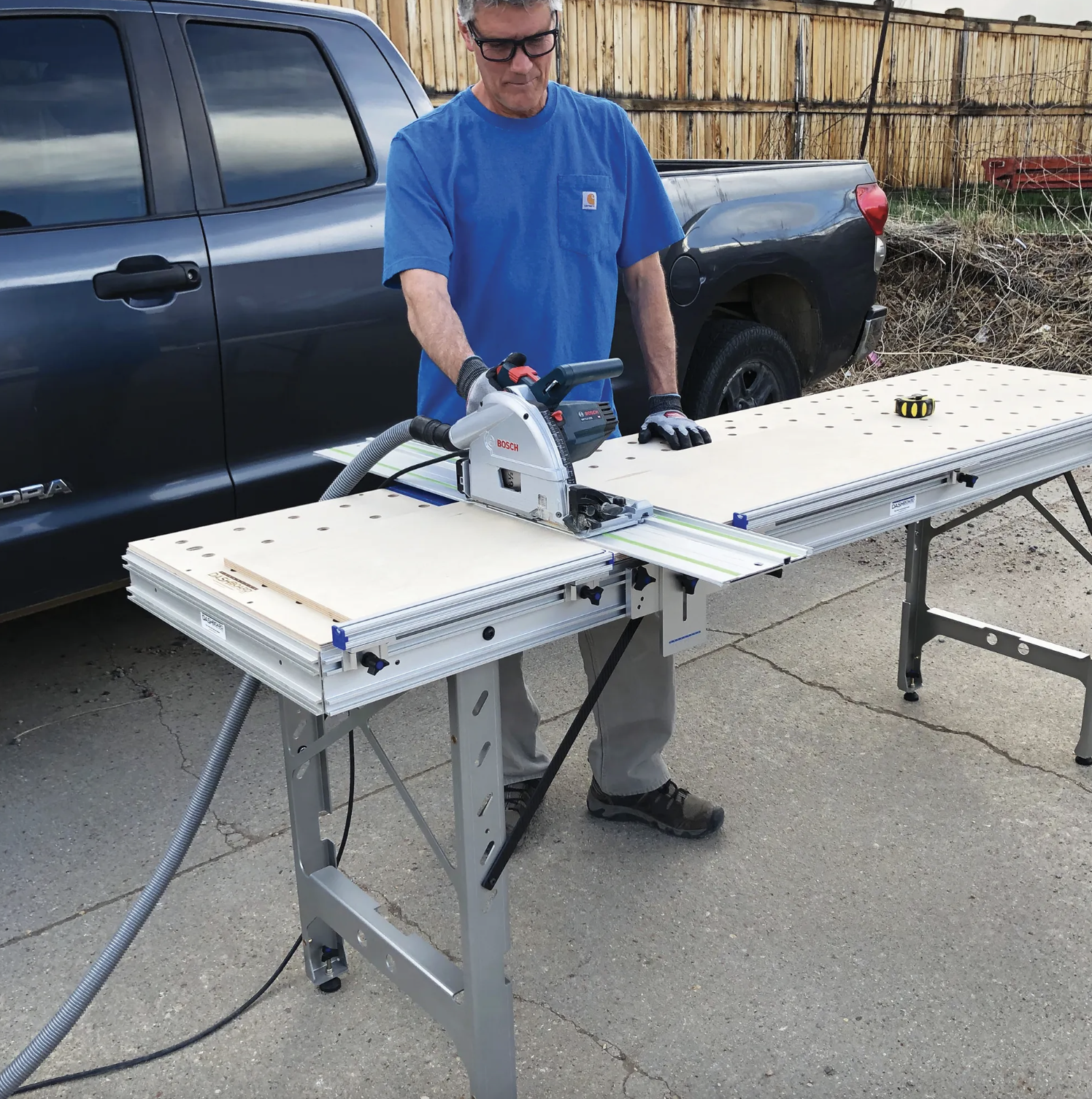
Scribing transfers the wall's true contour onto a cabinet edge so it fits tight against uneven walls and floors, and a portable bench that levels on the spot gives you the stable reference needed to mark and cut that line accurately. Level the piece, scribe to the widest gap, trim with the work fully supported, then test and refine until the fit sits flush.
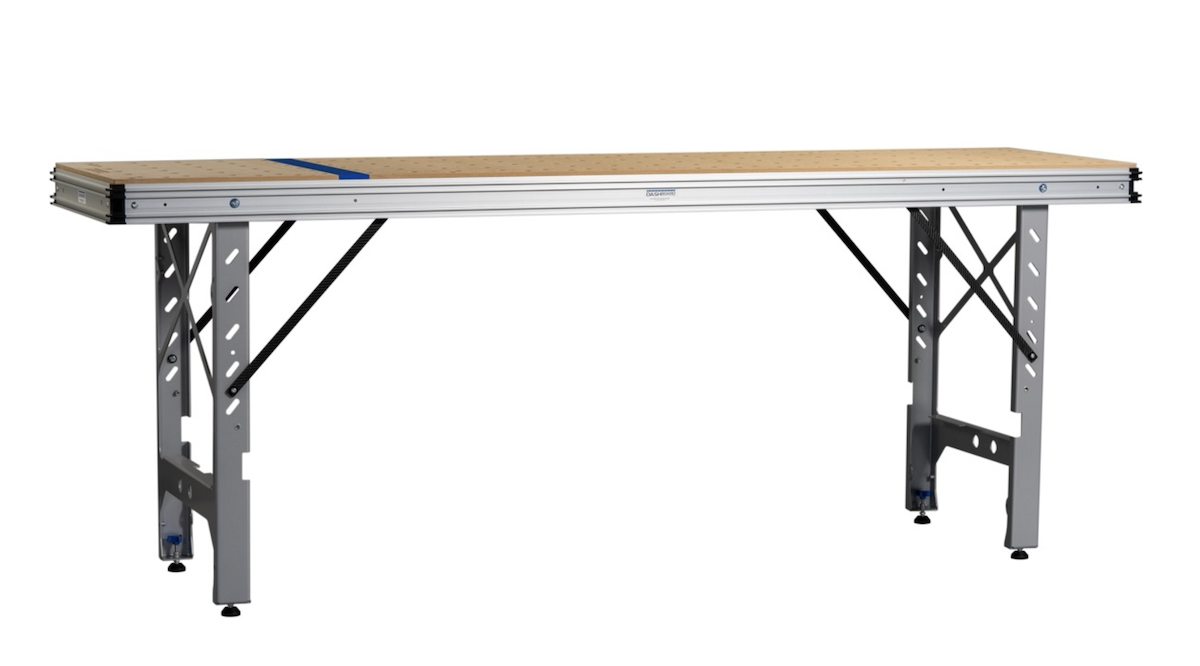
Solid workholding is the whole game with edge banding, and a rigid portable bench with the right clamping accessories lets you present a panel flat or vertical for clean, even application. Lock the panel down, apply the banding steadily, then trim flush once the bond sets for crisp, consistent edges every time.

Straight edge cutting tools like track saws, guide rails, and guide rail brackets give woodworkers a fixed reference so cuts stay true instead of drifting off line. A rigid bench, squared rail, and the right accessories (fences, flip stops, parallel guides) turn one accurate cut into consistent, repeatable results every time.
