Your Cart
Product Title
$0
$0
-
+
Your cart is empty.
Add Discount Code?
Add Cart Note?


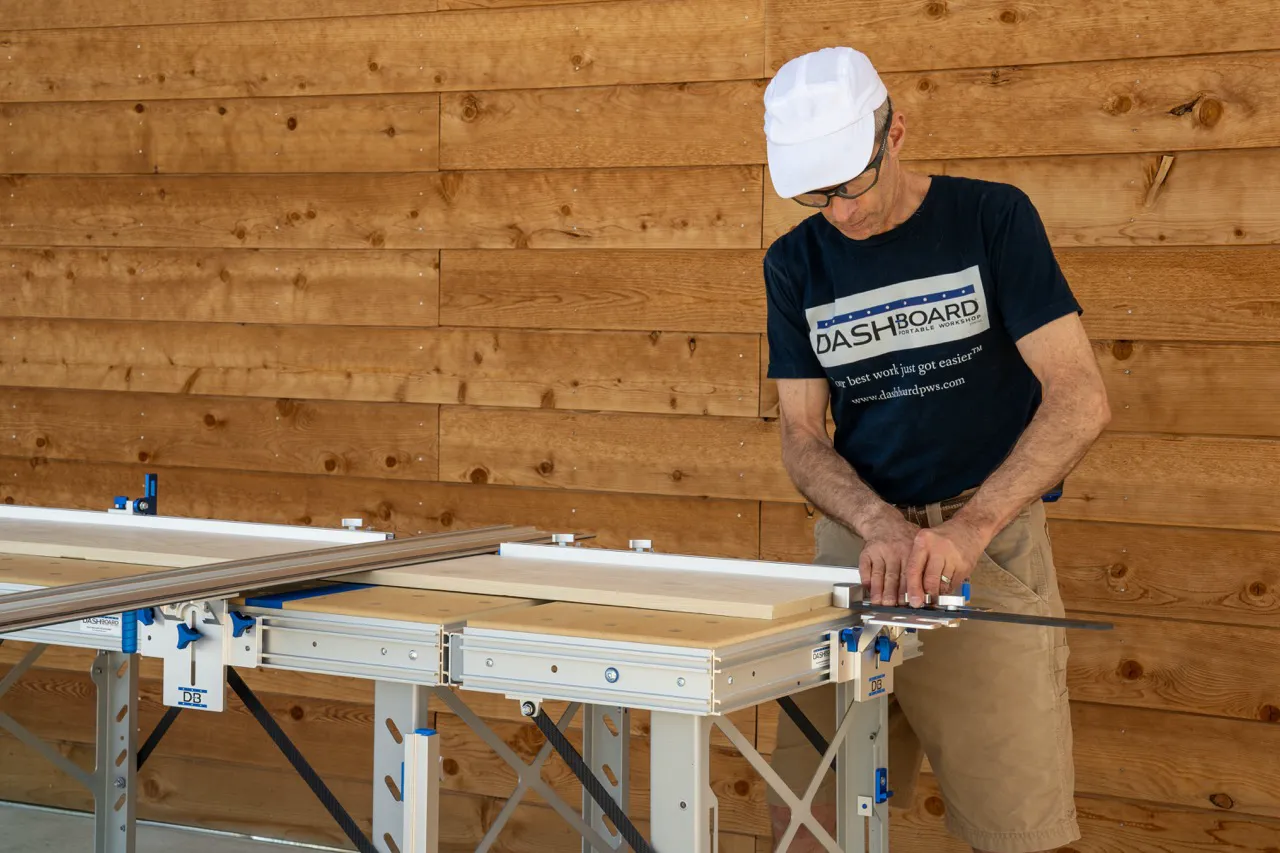
Creating an efficient and ergonomic woodworking workspace is essential for both professional craftspeople and enthusiasts.
A well-designed setup not only enhances productivity but also helps prevent the physical strain that can impact long-term health and enjoyment of the craft.
Physical strain in woodworking isn't inevitable - it's often the result of workspace setup issues that can be addressed through thoughtful design and proper equipment selection.
As evidenced by numerous woodworking professionals, the right setup can significantly reduce physical wear and tear while improving work quality.
The proper working height is crucial for preventing back strain and maintaining comfort throughout the day:
One of the most significant sources of physical strain comes from managing materials, especially larger pieces. Essential considerations include:
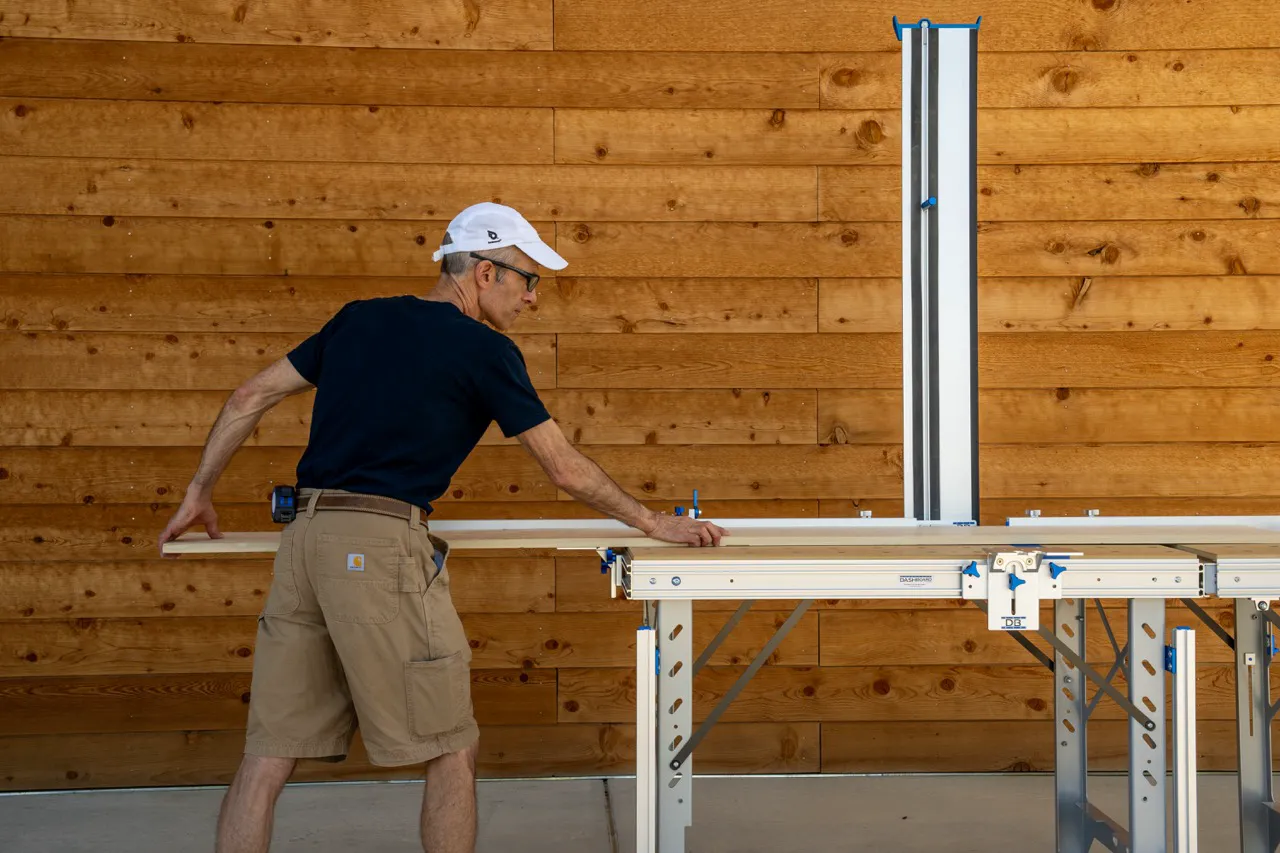
Modern woodworking equipment increasingly focuses on ergonomic design. Based on user reviews and testimonials, several features stand out as particularly important:
As verified user Tyler C. notes in his product review: "They make ripping full sheets of plywood easier than ever before. 10 out of 10 recommend if you are looking to upgrade your track saw setup and get consistent repeatable parts time and time again!"
The impact of proper ergonomic setup is well-documented in user testimonials. According to a verified review from John W.: "What a simple, elegant, and well thought out solution. With every purchase from DashBoard, the quality and repeatability of my work improves. I love your passion for making each of us better at what we do."
To create an ergonomic workspace, consider these actionable steps:
Investing in ergonomic workshop setup provides several documented advantages:
As verified reviewer Peter M. states: "The quality of the materials, design, robustness and adaptability of the table and its workmanship are unmatched by other tables and more than offset its cost. For those who are serious about woodworking and want to improve their shop and their woodworking experience, this table is a welcome addition to any workshop."
Transitioning to an ergonomic workspace doesn't have to happen all at once. Start with fundamental elements like proper work height and material support, then build upon that foundation as you identify additional needs and opportunities for improvement.
Consider beginning with these essential elements:
Creating an ergonomic woodworking workspace is a crucial investment in both craftsmanship and personal well-being.
By implementing proper equipment and organizational systems, woodworkers can maintain their passion for the craft while reducing physical strain.
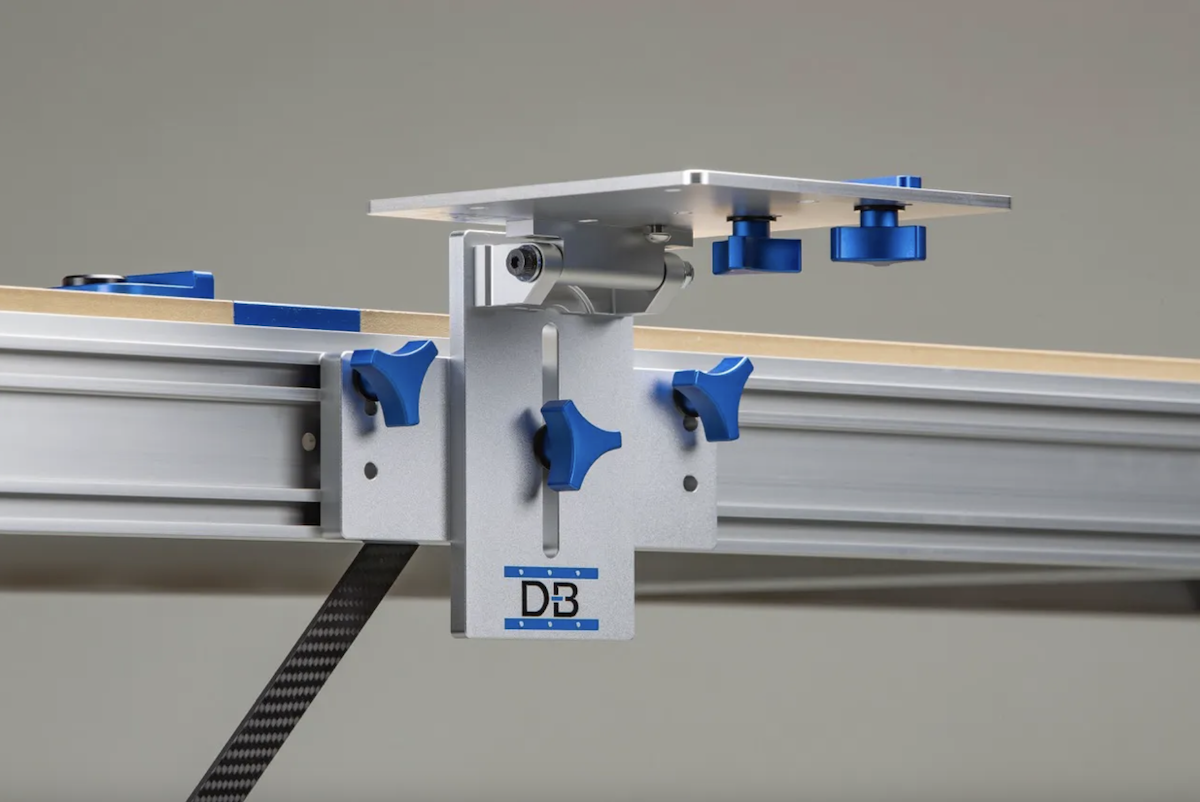
Guide rail brackets hinge your track saw rail to a fixed, repeatable 90-degree position on the bench, so you calibrate square once instead of re-checking it before every cut. Rigid, machined construction with no play is what lets the rail hold that reference through height changes and daily use, turning setup into a one-time task rather than a recurring chore.
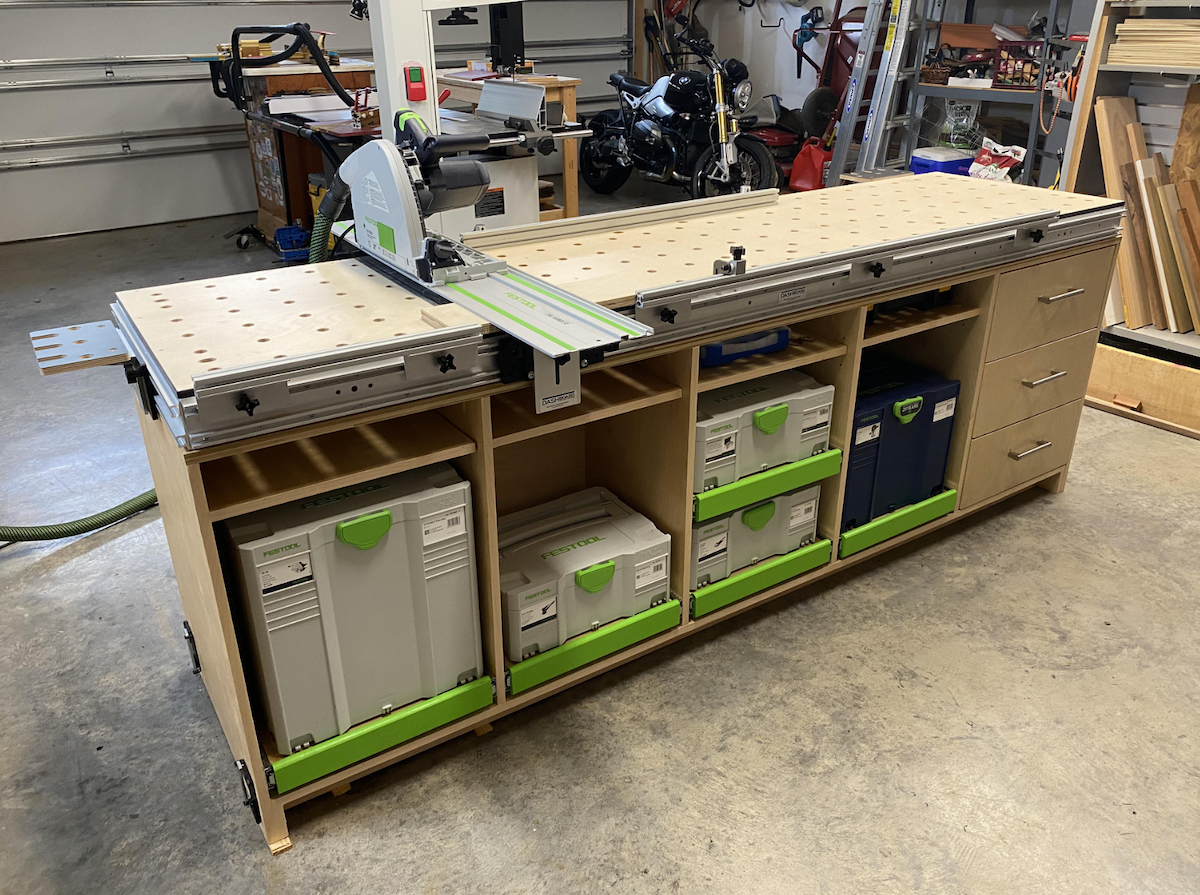
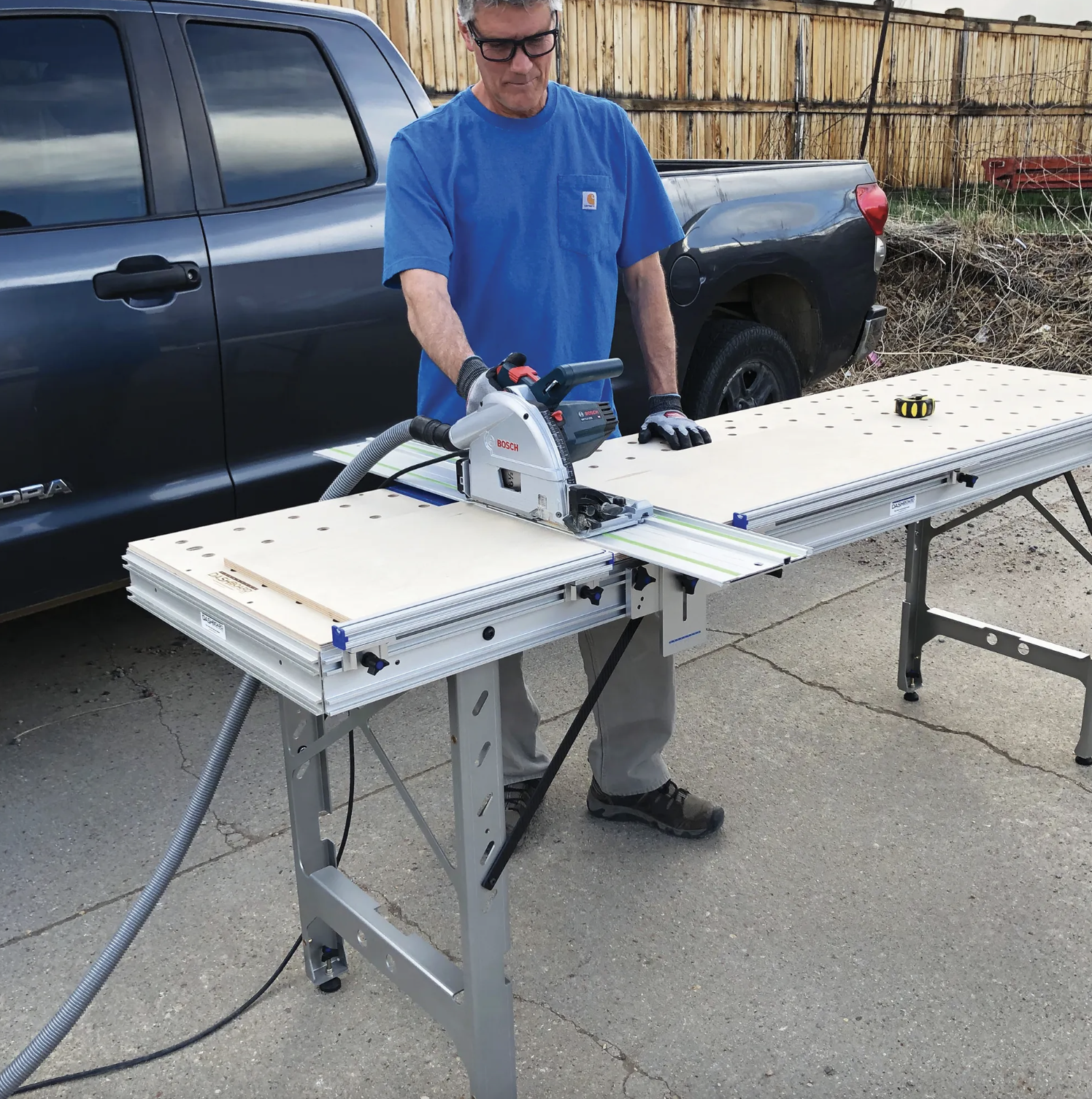
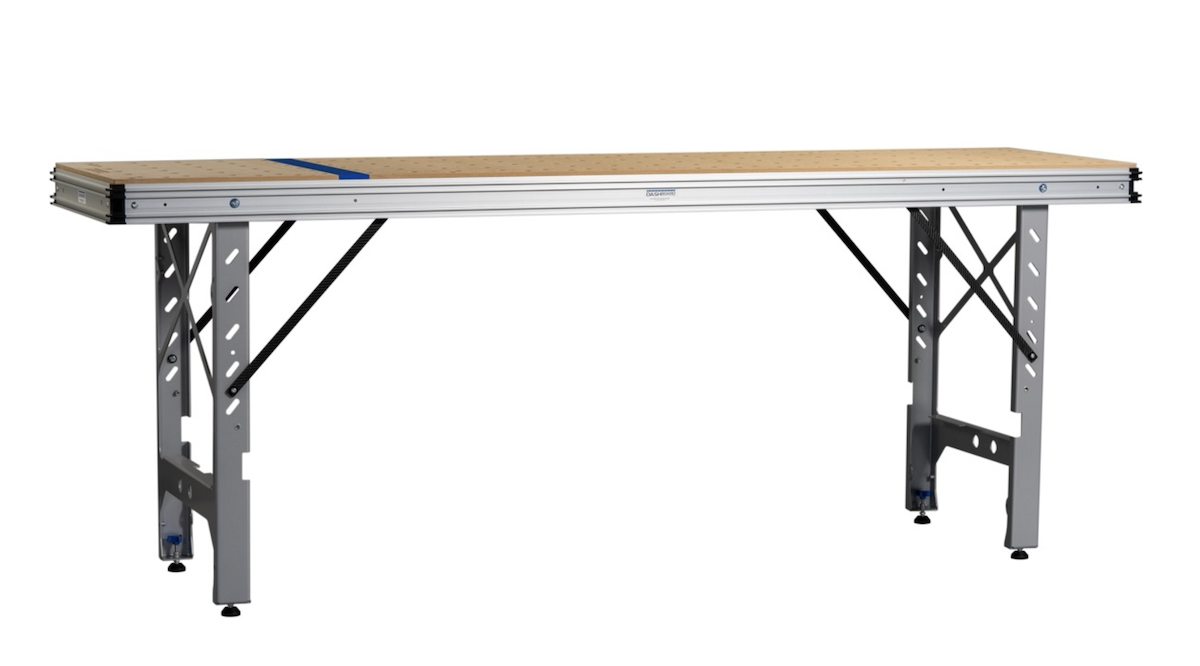
An MFT is a Multi-Function Table built around a perforated 20mm hole grid and guided cutting, letting you crosscut, clamp, sand, rout, and assemble all on one portable surface. It's a strong fit if you do precision crosscuts and sheet goods work, though drift and rigidity issues in some designs are why many owners upgrade to sturdier aftermarket benches and brackets.
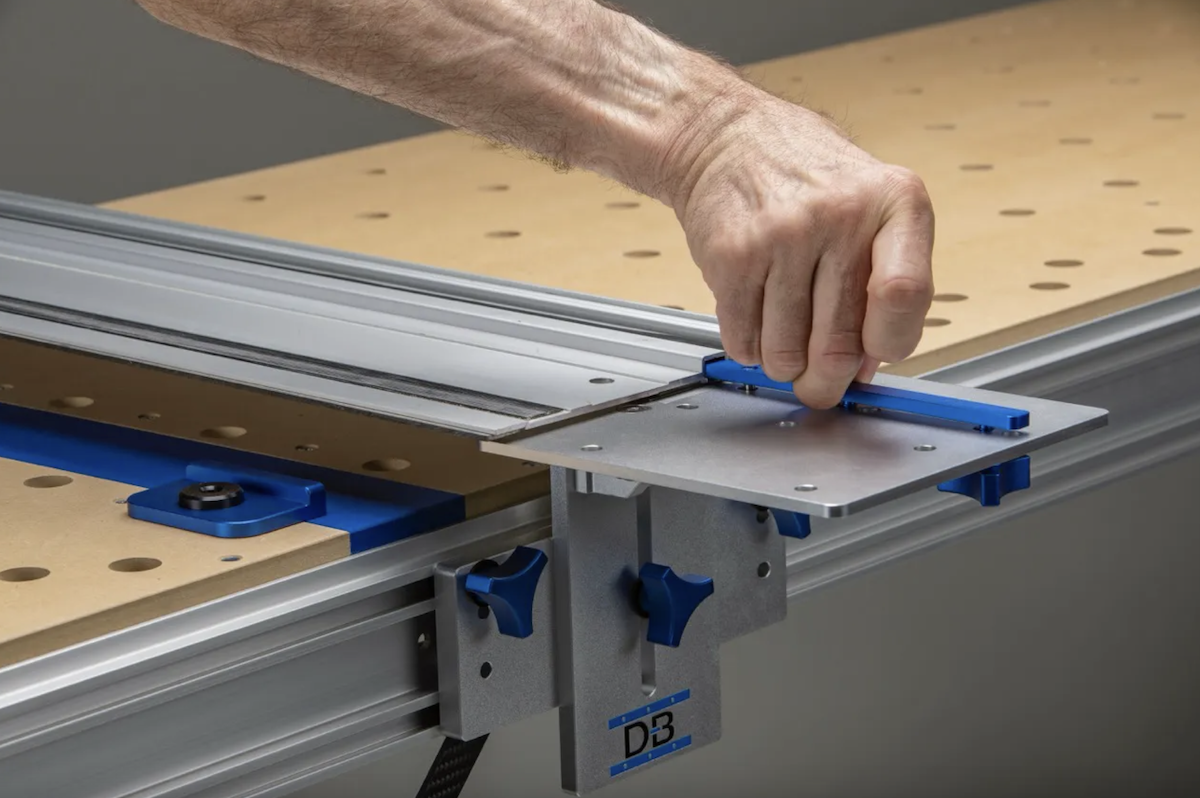
Track saw rail slip almost always comes down to dirty or worn grip strips, dusty or slick surfaces, or not enough downward pressure, and cleaning the strips plus clearing the workpiece solves most cases instantly. For repeatable, no-slip accuracy, clamps work but a fixed bench bracket system locks the rail in place for good.
Scribing transfers the wall's true contour onto a cabinet edge so it fits tight against uneven walls and floors, and a portable bench that levels on the spot gives you the stable reference needed to mark and cut that line accurately. Level the piece, scribe to the widest gap, trim with the work fully supported, then test and refine until the fit sits flush.
Solid workholding is the whole game with edge banding, and a rigid portable bench with the right clamping accessories lets you present a panel flat or vertical for clean, even application. Lock the panel down, apply the banding steadily, then trim flush once the bond sets for crisp, consistent edges every time.

Straight edge cutting tools like track saws, guide rails, and guide rail brackets give woodworkers a fixed reference so cuts stay true instead of drifting off line. A rigid bench, squared rail, and the right accessories (fences, flip stops, parallel guides) turn one accurate cut into consistent, repeatable results every time.
